
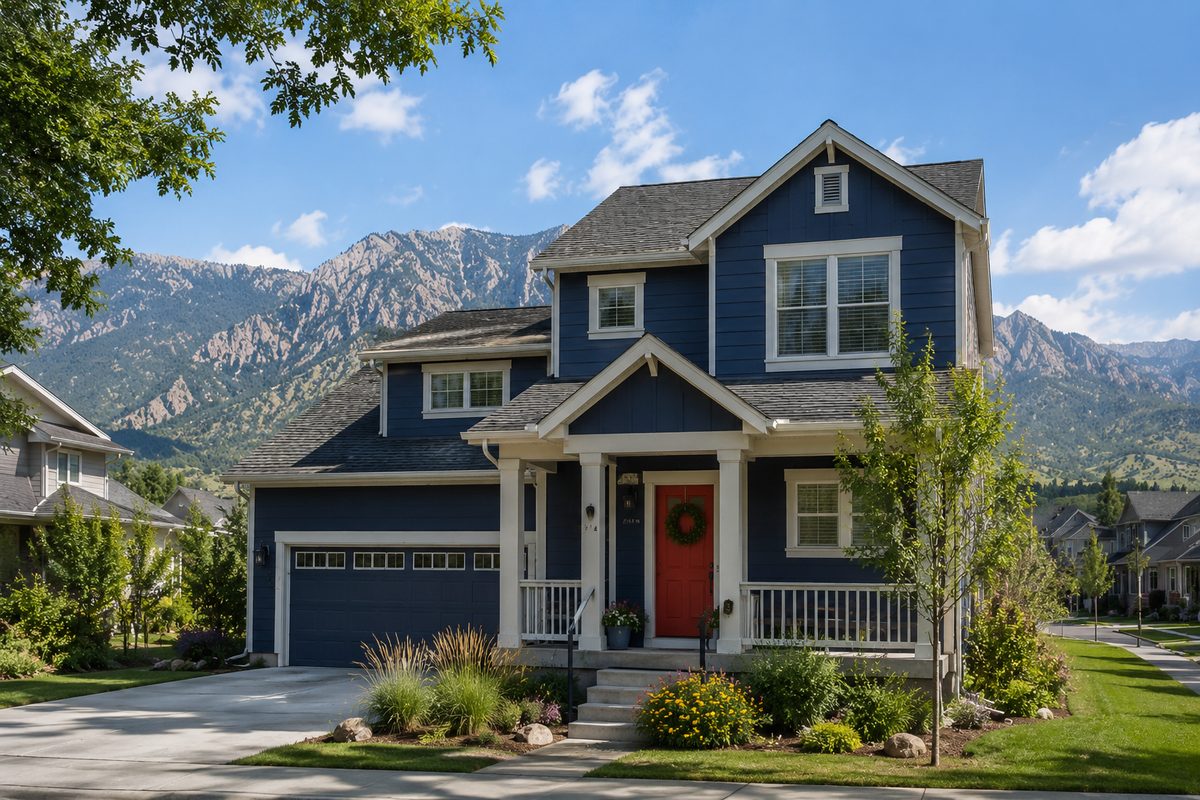
Stop Thinking in One Color
Most homeowners approach an exterior repaint the same way: pick a body color, maybe keep the trim white, call it done. The result? A clean house that looks... exactly like every other clean house on the street.
The homes that actually turn heads — the ones neighbors slow down to look at — got there because someone made a few deliberate decisions beyond the body color. This guide walks through the exterior painting ideas that make the biggest visual difference, and gives you a framework for making those decisions without second-guessing yourself.
If you're in Fort Collins, Timnath, Windsor, or anywhere in Northern Colorado, there's one more layer to consider: Colorado's climate is brutal on exterior paint. Any combination you choose needs to hold up to 28+ freeze-thaw cycles per year and UV radiation that runs 10–15% higher than lower-elevation regions. Great curb appeal has to be built on a durable foundation — otherwise you're repainting in three years instead of seven.
The Visual Framework: Four Decision Points
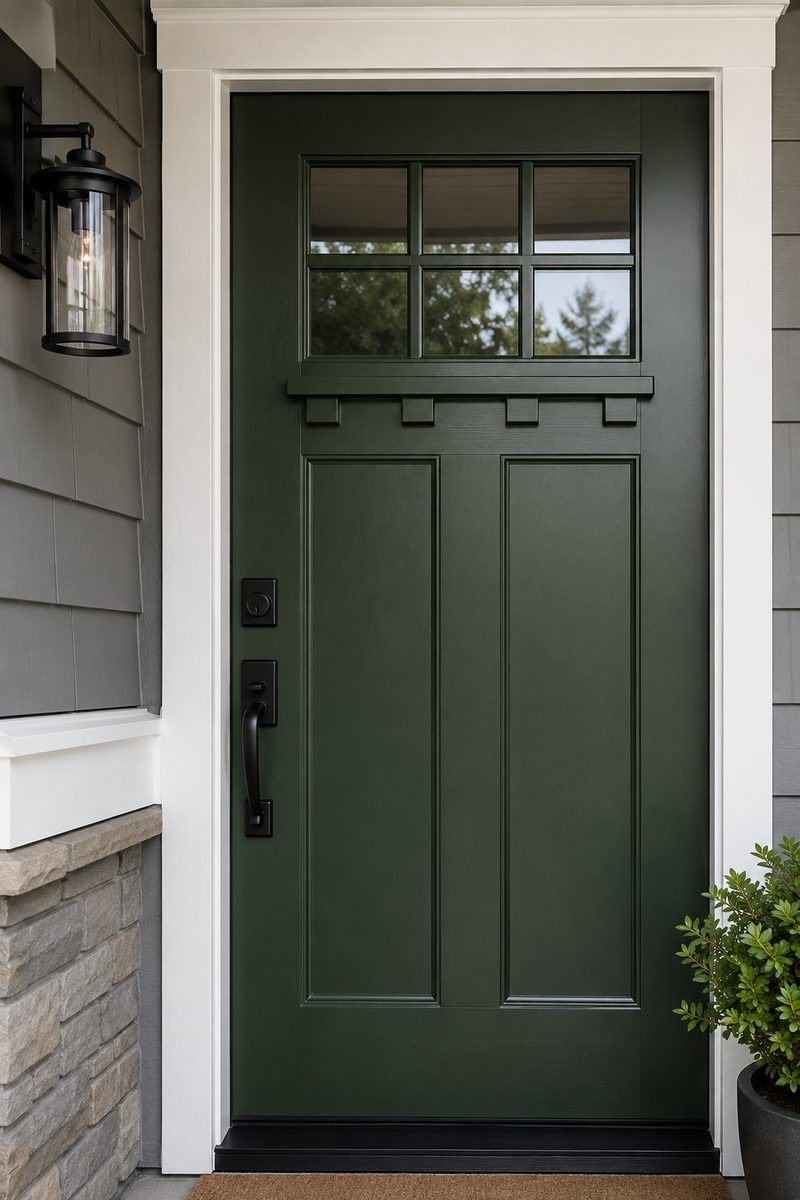
Before you pick a single color, think in terms of four separate surfaces. Each one is a lever. Pull the right ones and you get contrast, depth, and character. Pull none of them and you get beige.
1. Body Color — Your Canvas
This is the largest surface area and sets the tone for everything else. Neutral doesn't mean boring — warm greiges, deep navies, sage greens, and classic slate greys all read as neutral but carry far more personality than builder-grade tan. In Northern Colorado's bright, high-altitude light, saturated colors tend to pop rather than look garish, so don't be afraid to commit.
2. Trim Color — The Definition Layer
Trim is what gives a home its edges and architecture. White is the default because it works — but it's not the only answer. Cream or off-white warms up a cool-toned body color. A deep charcoal trim against a light body creates dramatic contrast. Matching trim to body (tone-on-tone) reads as modern and intentional on contemporary homes. The goal is to decide intentionally, not inherit the default.
3. Accent Door — The First Impression
Your front door is the handshake. It's the one place you can go bold without committing to a color across hundreds of square feet. A deep forest green, oxblood red, matte black, or cobalt blue front door does more for curb appeal than almost any other single change. Pair it with updated hardware — satin brass, brushed nickel, or matte black — and the entry reads as polished and intentional.
For a more detailed look at what goes into a high-quality finish on these surfaces, check out our exterior painting services page.
4. Porch Ceiling — The Underrated Move
This one surprises people. Painting a porch ceiling "haint blue" — a soft blue-grey — is a traditional Southern technique that reads as refreshing and distinctive from the street. It also visually extends the sky, making a covered porch feel airier. It's a low-commitment, high-impact move that almost nobody in your neighborhood is doing.
Two-Tone Body Combinations Worth Considering
Two-tone exteriors — where the lower portion of a home is painted a different color than the upper — are having a moment, especially on craftsman and farmhouse styles common throughout Fort Collins and Timnath. Done right, it grounds the home visually and adds architectural weight.
A few combinations that work well in Northern Colorado's light:
- Warm white upper / deep navy lower — clean, nautical, timeless
- Sage green upper / warm grey lower — earthy, blends with the Front Range landscape
- Creamy white upper / charcoal lower — modern farmhouse without feeling trendy
The dividing line typically follows a horizontal architectural detail — a water table, a porch roof line, or a belt course. If your home doesn't have a natural break, this gets tricky; consult with a painter before committing.
What Colorado's Climate Means for Your Color Choice
Dark colors absorb more heat. On a south-facing wall in Northern Colorado — where UV exposure is significantly higher than at sea level — that thermal stress accelerates paint degradation. That doesn't mean you can't go dark, but it does mean the paint system underneath your color choice matters as much as the color itself.
A 7–10 year paint system engineered for Colorado's conditions handles freeze-thaw cycling and UV exposure differently than what a big-box store recommends. If you're investing in a color transformation, make sure the product under it is built to last.
Where to Start If You're Overwhelmed
Pick one decision point at a time. Start with the door — it's the lowest stakes, highest reward change you can make. Get that right, then work outward to trim contrast, then body. Don't try to solve all four surfaces at once before you've put a single sample on the wall.
If you're in Fort Collins, Timnath, Windsor, or the surrounding area and want a second set of eyes before you commit, we offer free on-site quotes and can walk you through color combinations that hold up in Colorado's climate — not just ones that look good in a swatch book.
Timnath Painting serves homeowners throughout Fort Collins, Timnath, Windsor, and greater Northern Colorado. Licensed, insured, and using premium eco-friendly, no-VOC products.