
Why Is My Exterior Paint Peeling? Causes and What to Do
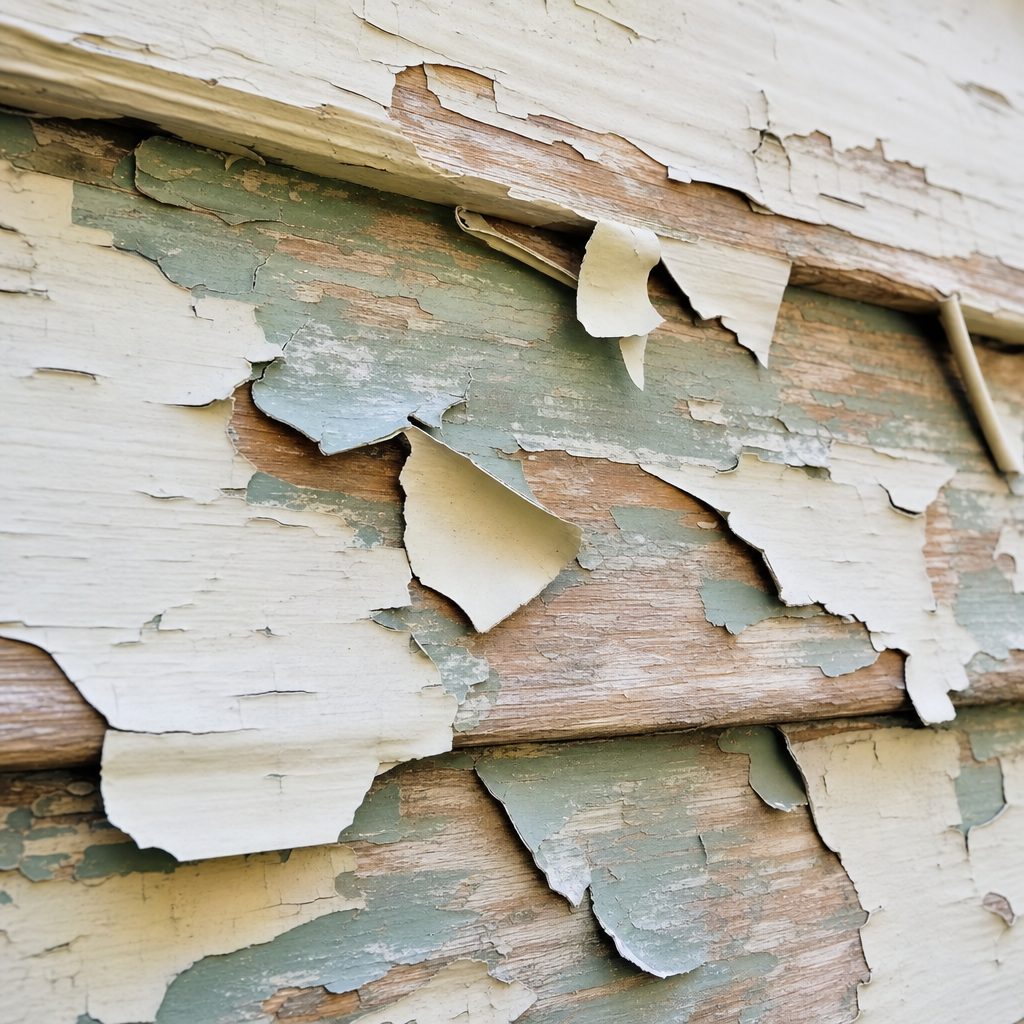
If you're noticing bubbling, cracking, or chunks of paint lifting off your siding, you're not alone. Exterior paint peeling in Timnath, Severance, and Windsor is one of the most common calls we get — and it's rarely random. There's always a root cause. Here's how to identify it and what actually fixes it.
The Most Common Causes of Peeling Exterior
Paint
1. Moisture Getting Behind the Paint Film
This is the #1 culprit. When moisture infiltrates the wood or substrate beneath the paint — whether from rain, sprinklers hitting siding, or humidity pushing through from inside — it creates pressure that breaks the paint's bond and causes it to lift.
In Northern Colorado, this problem is compounded by the freeze-thaw cycle. With 28+ freeze-thaw cycles per year at our elevation, any water trapped behind paint expands and contracts repeatedly. That mechanical stress will eventually win, no matter how good the paint looked when it went on.
What to do: Find and fix the moisture source first — caulk gaps around windows, trim, and penetrations. Make sure sprinkler heads aren't hitting siding directly. Once the source is addressed, the failed paint needs to be fully stripped before repainting. Painting over active moisture problems just repeats the cycle.
2. Poor Surface Prep Before the Last Paint Job
If the surface wasn't properly cleaned, scraped, sanded, and primed before painting, adhesion was compromised from day one. Peeling shows up faster on dirty or glossy surfaces that weren't de-glossed, on old chalky paint that wasn't removed, and on bare wood that wasn't primed.
No amount of high-quality paint fixes a prep problem. The paint can only bond to what's underneath it.
What to do: A proper repaint starts with thorough prep — power washing, scraping all loose paint, sanding, spot-priming bare wood, and caulking before a single drop of topcoat goes on. Skipping any of these steps is borrowing time, not solving the problem.
3. Incompatible Paint Products
Applying latex paint over old oil-based paint without proper prep is a classic failure point. The two products have different flexibility rates — as temperatures swing, they expand and contract at different speeds, and the bond breaks.
Similarly, applying a topcoat without a compatible primer, or using interior paint on exterior surfaces, will cause premature failure regardless of the brand.
What to do: If you're not sure what's currently on your siding, a simple test (rub a rag soaked in denatured alcohol on the surface — latex comes off, oil doesn't) can tell you. From there, the right primer for the situation makes a real difference. This is where experience matters — knowing which products work together for your specific substrate.
4. Paint Applied in the Wrong Conditions
Paint applied in direct sun on a hot day, in high humidity, or when temperatures are below 50°F won't cure properly. Colorado's dry heat is notorious for causing paint to dry too fast on the surface while remaining tacky underneath, which leads to cracking and poor adhesion.
What to do: Timing and sequencing matter. Experienced painters work around the sun, plan for temperature windows, and know when to hold off. At altitude in Northern Colorado, UV intensity is 10–15% higher than at sea level — that accelerates drying on the surface and makes proper scheduling non-negotiable.
Should You Paint Over Peeling Paint?
No. Full stop. Painting over peeling paint traps the failure underneath and the new coat will fail in the same spots — often faster. The peeling areas need to be stripped back to a sound surface before anything new goes on.
The right move is a proper prep job followed by a paint system designed to last in this climate — not just a cosmetic refresh.
What a Proper Fix Looks Like
If your home is showing significant peeling, here's what a real fix involves:
- Full power wash and surface dry time
- Hand scraping and sanding all failed areas
- Spot priming bare wood with an appropriate primer
- Caulking all gaps, joints, and penetrations
- Two coats of a climate-grade exterior paint system
Done right, you're looking at a 7–10 year finish that handles Colorado's conditions — not another repaint in three years.
If you're dealing with peeling exterior paint in Timnath, Severance, Windsor, or anywhere in Northern Colorado, we'll come out, take a look, and give you a straight answer on what's going on. Request a free on-site quote and we'll diagnose the problem before we talk paint.