
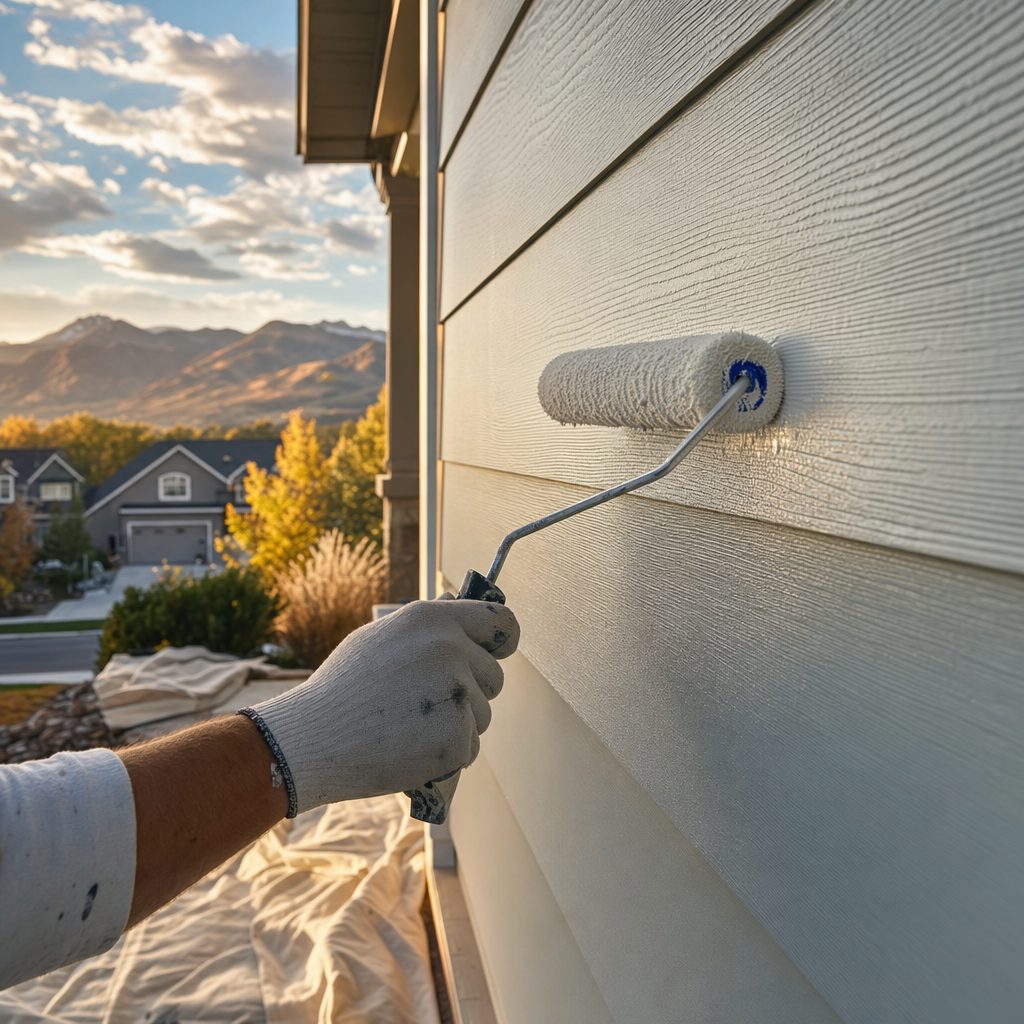
The Honest Answer: It Depends — But Here's What to Expect
Most homeowners asking "how long does exterior painting take?" are really asking: how long will my house be disrupted? That's a fair question, and you deserve a straight answer instead of a vague "3 to 5 days depending on conditions."
Here's the reality: project size, surface condition, and Colorado's weather all factor in. Below are real timelines broken down by square footage and what commonly pushes jobs longer.
Timelines by Project
Size
Small
Home (Under 1,500 sq ft of paintable surface)
Typical timeline: 2–3 days
Single-story ranch homes, smaller bungalows, and townhomes with clean, well-prepped surfaces fall into this range. Day one handles all prep — pressure washing, scraping, caulking gaps, and masking. Days two and three are application and detail work.
Medium
Home (1,500–2,500 sq ft)
Typical timeline: 3–4 days
Most two-story homes in Windsor and Timnath land here. Prep typically takes a full day. Application spans two days with a final walk-through and touch-up day. If the surface has significant peeling or wood rot repairs, add a day.
Large
Home (2,500–4,000+ sq ft)
Typical timeline: 4–6 days
Larger two-stories, homes with complex rooflines, or properties with extensive trim and detailed woodwork will run five to six days. More surface area means more prep, more coats, and more drying time between stages.
Note: These timelines assume good weather and a crew of two to three painters. Solo contractor jobs on larger homes can stretch to 8–10 days.
What Slows a Job
Down
1. Surface Prep
Prep is the biggest variable. A house with peeling paint, exposed wood, rotted trim, or old caulk that needs removal can add one to two full days before a brush ever touches fresh paint. This isn't padding — cutting corners on prep is exactly why some paint jobs fail in three years instead of lasting seven to ten.
Our exterior painting process starts with thorough prep because that's what drives longevity, especially given Northern Colorado's climate.
2. Weather Windows in Fort Collins
If you're getting a quote for exterior painting in Fort Collins, factor in Colorado's weather. Paint needs temperatures above 50°F and below 90°F to cure properly. Humidity should be below 85%. That rules out early mornings, monsoon windows in July and August, and most days from late October through March.
Fort Collins also gets UV exposure 10–15% higher than sea level — which accelerates drying but can cause flashing if a painter isn't managing it correctly. A professional crew works in sections and times coats to the sun's movement across the house.
3. Number of Coats
One coat is not a complete paint job. A proper exterior system requires a primer coat (especially on bare wood or fresh repairs) plus two finish coats. Each coat needs dry time — typically 4–6 hours between coats minimum, longer in cooler temps or shade. Rushing this is how you get lap marks, uneven coverage, and early failure.
4. Surface Complexity
A flat-sided ranch with no shutters, minimal trim, and no detached structures is a fast paint. A Victorian with decorative brackets, multiple trim colors, shutters, a wraparound porch, and a detached garage is a different project entirely. Surface complexity multiplies labor time more than square footage does.
What You Can Do to Speed Things
Up
- Clear the perimeter. Move patio furniture, potted plants, and vehicles away from the house before the crew arrives.
- Trim landscaping. Shrubs and trees growing against the siding slow prep and make it harder to tape and protect plants properly.
- Address known issues early. If you know you have wood rot or significant peeling, mention it at the quote stage so timelines are accurate.
- Book before peak season. June through September is the busiest stretch for exterior painting in Northern Colorado. Booking in April or May means more scheduling flexibility and often better weather windows.
Planning Your Project in Northern Colorado
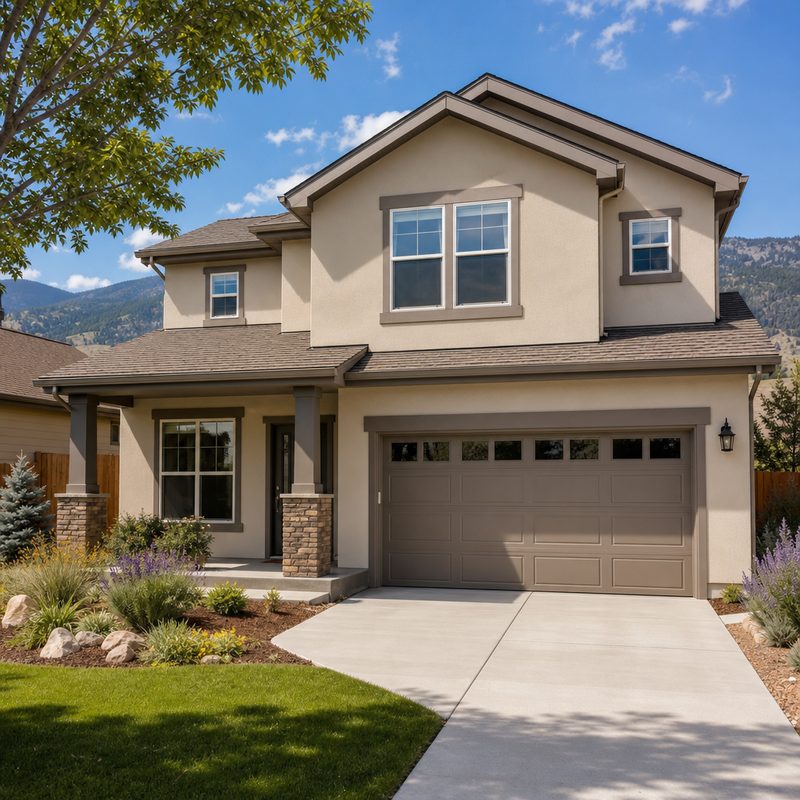
If you're in Fort Collins, Windsor, Timnath, or the surrounding area, the realistic window for exterior painting is late April through early October. That's your best shot at consistent temperatures and dry conditions.
Our 7–10 year paint systems are engineered specifically for Colorado's altitude, UV exposure, and freeze-thaw stress — because a paint job that looks great for two years and fails on year three isn't a value. It's a cost.
Want to know exactly how long your project will take? Request a free on-site quote and we'll walk through your home's square footage, surface condition, and timeline before any work begins.