
The Answer Depends on What Your Home Is Made Of — and Where
You Live
If you've searched for how often to repaint a home's exterior, you've probably landed on the same generic answer: every 5 to 10 years. That range isn't wrong, but it's built around national averages — not the conditions your home actually faces in Fort Collins, Timnath, Windsor, or anywhere else in Northern Colorado.
Up here, your paint is fighting harder than it would in most of the country. We sit at elevation, which means UV radiation runs 10–15% higher than at sea level. We cycle through 28+ freeze-thaw events per year, which stress any coating film that isn't specifically engineered for it. Add in dry summers, temperature swings, and wind-driven debris, and your exterior paint simply doesn't last as long as the national guides say it should.
Here's the real breakdown — by material.
Repainting Timelines by Exterior
Material
Wood Siding: Every 3–5 Years
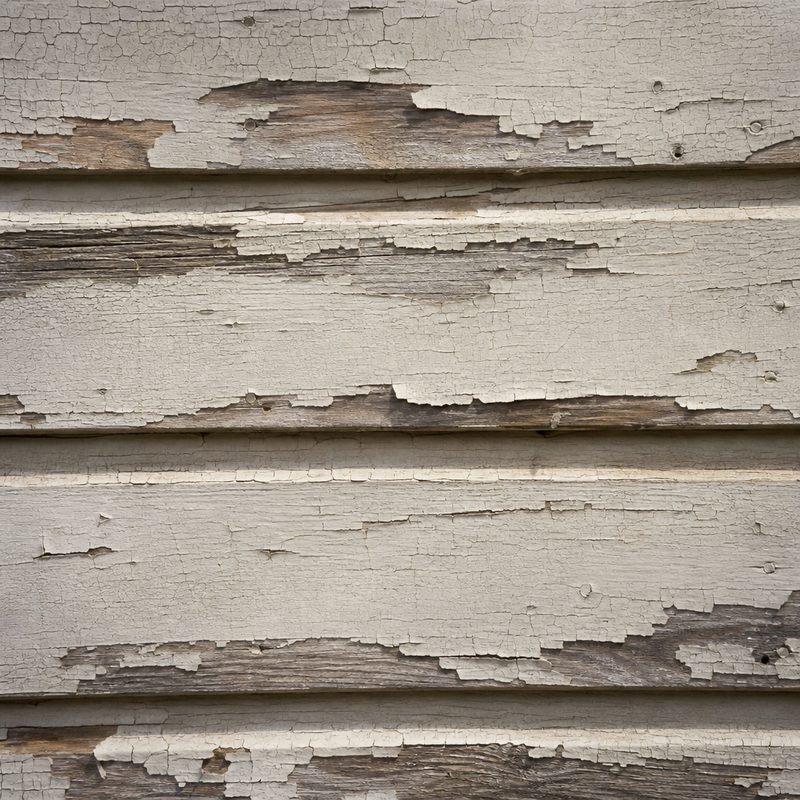
Wood is the most high-maintenance exterior surface, and Colorado's climate accelerates that cycle. UV exposure bleaches and dries out the finish. Freeze-thaw cycling causes the wood to expand and contract, which cracks and lifts paint film over time. Bare wood that's exposed — even in small spots — absorbs moisture and begins to rot.
Signs it's time: peeling at the edges, visible bare wood, chalky or faded finish, paint that lifts when you press a fingernail to it.
If you're on wood siding in the Fort Collins area, plan for a repaint closer to the 3-year end of that range, especially on south- and west-facing walls that catch the most sun.
Vinyl Siding: Every 10–15 Years (or Paint Over Fading)
Vinyl doesn't peel the way wood does, but it fades — especially the darker colors. In Colorado's UV environment, that fading can happen faster than the manufacturer's warranty implies. Vinyl also becomes brittle in cold temperatures, which can cause hairline cracking if it was installed without proper expansion gaps.
Most vinyl homes don't need a full repaint on a strict schedule — the trigger is usually visible fading, chalking, or a color change you want to make. When you do paint vinyl, surface prep and the right coating matter a lot. It's not a DIY-friendly project.
Stucco: Every 5–7 Years
Stucco is porous, which makes it vulnerable to water intrusion if the coating breaks down. In freeze-thaw climates like ours, water that penetrates stucco and then freezes can cause spalling — chunks of the surface popping off. A well-maintained paint layer is your stucco's first line of defense.
Watch for hairline cracking, which is common in stucco and usually cosmetic, but needs to be properly sealed before repainting. If cracks are wider than a hairline, that's a structural concern worth evaluating before you paint over it.
Stucco homes in Northern Colorado benefit from a repaint on the shorter end of the range — every 5 years if you're on a sun-exposed lot.
Brick: Every 15–20 Years (Painted Brick Only)
If your home has unpainted brick, you likely don't need to do anything — brick is naturally durable and doesn't require a paint coating. But if your brick has been painted previously, you're now committed to maintaining that coating. Once brick is painted, bare spots allow moisture penetration that's harder to manage than it would be on other surfaces.
Painted brick in good condition can often go 15+ years between repaints, but inspect it annually for peeling, especially around window and door frames where moisture tends to collect.
How to Know When It's Time — Regardless of Material
More than the calendar, watch for these signals:
- Peeling or bubbling paint — moisture is getting underneath the film
- Chalking — run your hand along the siding; if it comes away with a powdery residue, the binder has broken down
- Fading or color shift — UV degradation that won't wash off
- Visible bare substrate — your home is now unprotected
- Increased energy bills — in rare cases, failed exterior coatings contribute to thermal performance issues
Why Colorado Homes Need More Than a Standard Paint Job
Most national painting guides assume a mild climate. In Northern Colorado, a standard contractor-grade paint applied without climate-specific prep won't reach those timelines. At Timnath Painting, we use 7–10 year paint systems specifically selected for altitude, UV load, and freeze-thaw performance — not whatever's available at the local big-box store.
That selection matters. So does the prep work: proper surface cleaning, priming bare spots, caulking joints, and addressing any existing moisture damage before a single drop of paint goes on.
If you're in Fort Collins, Timnath, Windsor, or anywhere in the surrounding area and you're not sure whether your home is due — or overdue — for a repaint, we offer free on-site quotes. We'll give you a straight answer on what your exterior actually needs, not a upsell.
You can also browse our exterior painting services or see recent work in our gallery to get a sense of what a properly done repaint looks like compared to what most contractors deliver.
Bottom line: If you're using a national repainting guide for a home in Northern Colorado, you're probably waiting too long. Schedule a free estimate and we'll tell you exactly where your home stands.